
Description
1LP Vinyl – CR00969 (Reissue, Stereo, 180-gram)
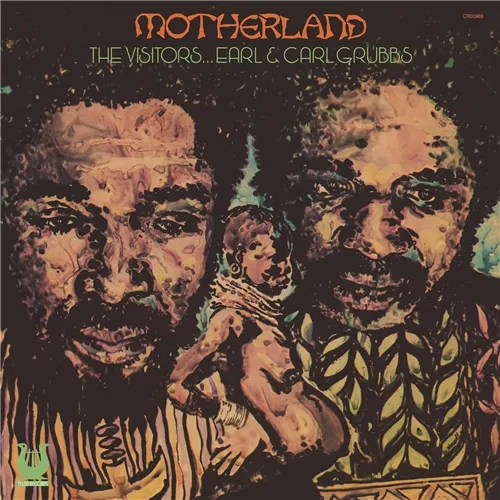
In 1975, the state of acoustic mainstream jazz was complicated. Still processing both the innovations and the death of John Coltrane, the music was also regaining its footing after rock had usurped its commercial standing in the late ‘60s and early ‘70s. While jazz fusion could fill the same arenas rock bands did and the avant-garde was rejuvenating itself in New York’s lofts, the straight-ahead stuff was still on shaky ground.
You wouldn’t know it from listening to Motherland, the fourth post-bop album by saxophonist brothers Carl (alto) and Earl Grubbs (tenor/soprano), billing themselves as The Visitors. At least, not on the surface. The music is presented with thoroughgoing boldness, confidence, and, at some points, as on blower “Levels,” even ferocity. Beneath that assertive veneer, however, the anxieties of the day are audibly at work.
Natives of Philadelphia, the brothers Grubbs were cousins-in-law of Coltrane’s (by way of his first wife, Naima Grubbs) and had studied with him; the original LP issue of Motherland featured a photo of them playing together on its back cover. The album is fully immersed in the spiritual jazz tradition Coltrane pioneered and further developed by his disciples, most famously Pharoah Sanders. Motherland pianist Joe Bonner was a veteran of Sanders’ bands; his torrents of rippling, steely, churchy chords rain all over “Kimball” and “Fables of Africa.” Earl Grubbs, too, channels Sanders as much as Trane. St. John shapes his phrasing on both tenor and soprano (the latter appearing only on “Motherland”), but Earl draws inspiration from Pharoah’s slippage into gruff, coarse timbre on “Body & Soul” and “Levels.” Carl, meanwhile, conjures Coltrane consistently throughout, despite playing a horn that the elder saxophonist avoided in his mature career.
Motherland isn’t all anxiety-of-Coltrane-influence, though. “Levels” is a riff-y, hard bop scorcher that might have sounded at home on a Joe Henderson or Booker Ervin record from the early ‘60s; drummer Victor Lewis gets to flex his fierce chops, and the Grubbses trade blistering eights and fours at the climax. Here is the mainstream jazz tradition re-establishing itself. That’s even more the case on renditions of two standards, “Body & Soul” and “I Want to Talk About You,” a pair of pre-bop warhorses that had endured into modern jazz. “Body & Soul,” in particular, is a wailer for saxes and piano—and accidentally, by virtue of mid-’70s production techniques, becomes a showpiece for bassist John Lee. Then there’s the title track and “Fables of Africa,” pieces that touch on the Black Consciousness movement, which had been in full bloom in South Africa for quite some time; “Fables,” in particular, offers a polyrhythmic groove and folklike melodies that echo those of Western and southern Africa.
Yet it would also be a mistake to suggest that Motherland is merely a 50-year-old time capsule. This is music as vital and contemporary as it ever was, and often, as in “Levels,” “Fables of Africa,” and “Kimball,” breathlessly exciting. It is evidence of mainstream jazz’s success in re-establishing its place in the music world.


Reviews
There are no reviews yet.